Boonwurrung Environmental Soundscapes
Interactive soundscape – custom electronics, time-of-flight (ToF) sensors, 3D prints
with Jordan Lacey & Rhys Coleman
2026
Thank you to Prof. Brian Martin and Prof. N’arwee’t Carolyn Briggs AM
ngiyama mirrim baany yulendj: Reawakening Deep Water Knowledge Exhibition
Bunjilaka Aboriginal Cultural Centre
Melbourne Museum
Naarm/Melbourne, Australia
Sept 2026 – Apr 2027
About the exhibition:
Baany (water) is a living presence, carrying memory and sustaining life. Through sound, film, visuals and artefacts, ngiyama mirrim baany yulendj explores how First Peoples' knowledge guides a more sustainable and culturally grounded approach to water in cities.
The artworks and research in the exhibition, developed in collaboration between Museums Victoria and Monash University, focus on the waterways, wetlands and coastal landscapes of the Cities of Port Phillip and Bayside within Boonwurrung Country.
Boonwurrung Environmental Soundscapes presents a diverse audio composition of the flora and fauna of Boonwurrung Country, created in response to the exhibition's flowing water thematic. This installation features high-quality spatial sound recordings from sound artist Jordan Lacey, who also provided input on spatial speaker configuration and mixing advice, with additional contributions and feedback courtesy of freshwater ecologist Rhys Coleman. Crafted as an interactive piece, visitors' presence shape the blend of soundscapes playing through the exhibit. As an 8-channel, 20-stem composition (i.e. 20 individual sound sources playing into 8 speakers), careful adjustment of the mix was integral to the interaction design.
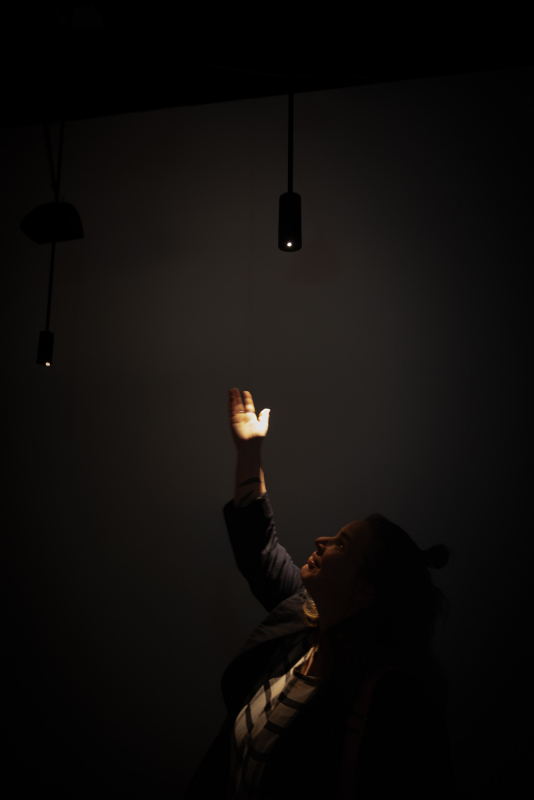
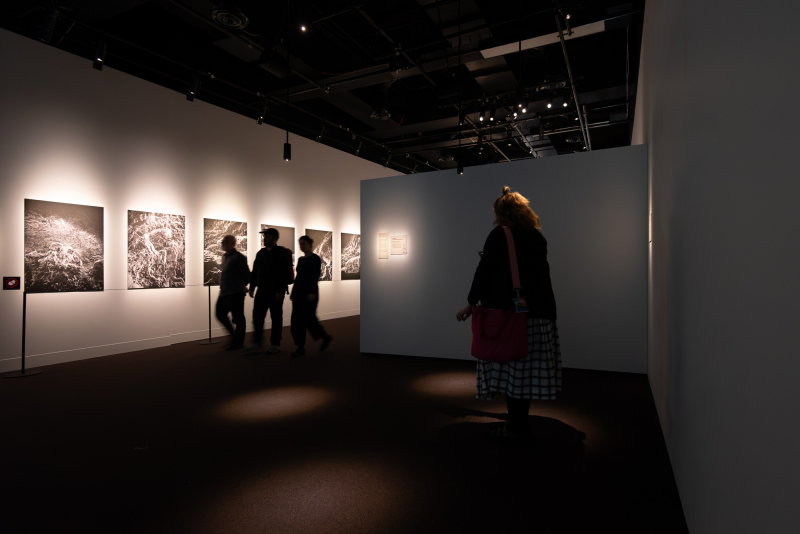
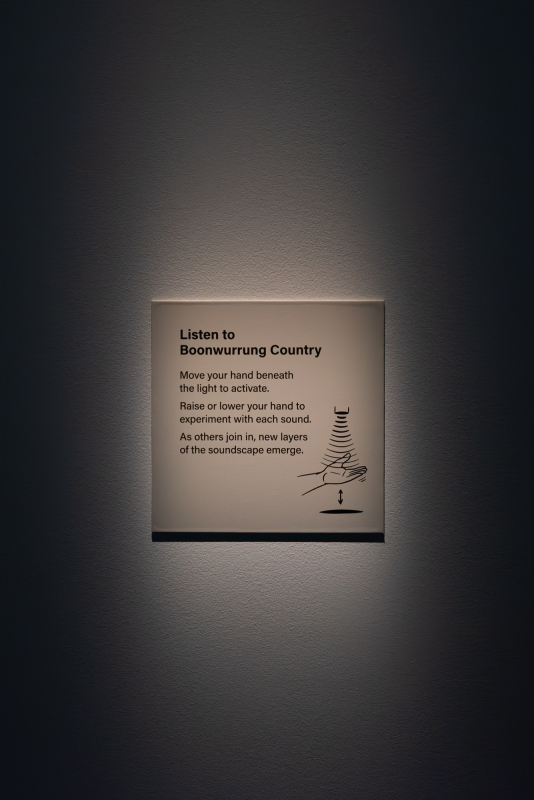
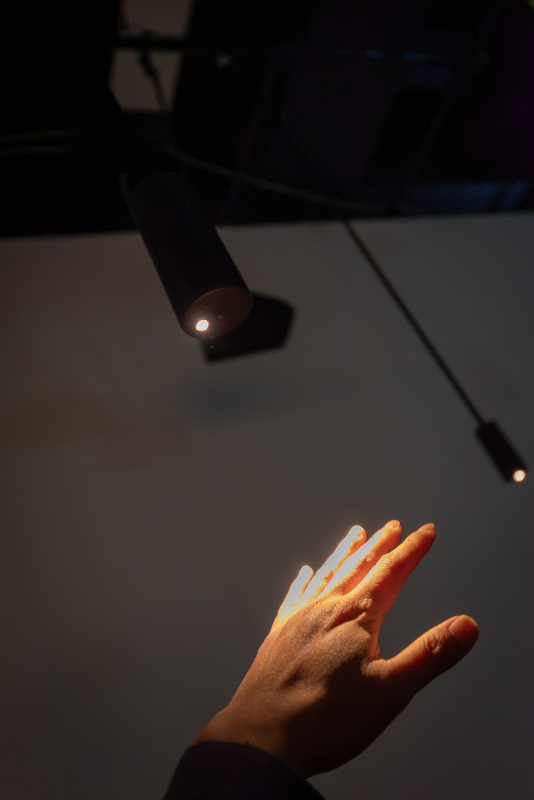
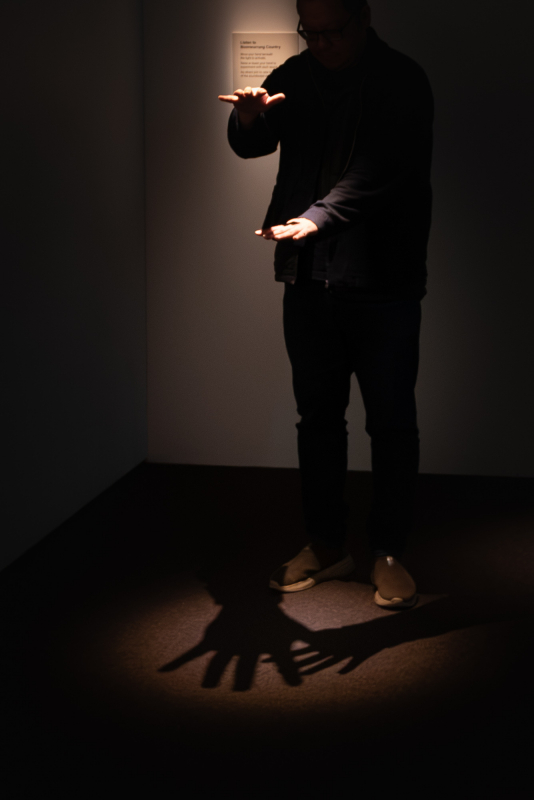
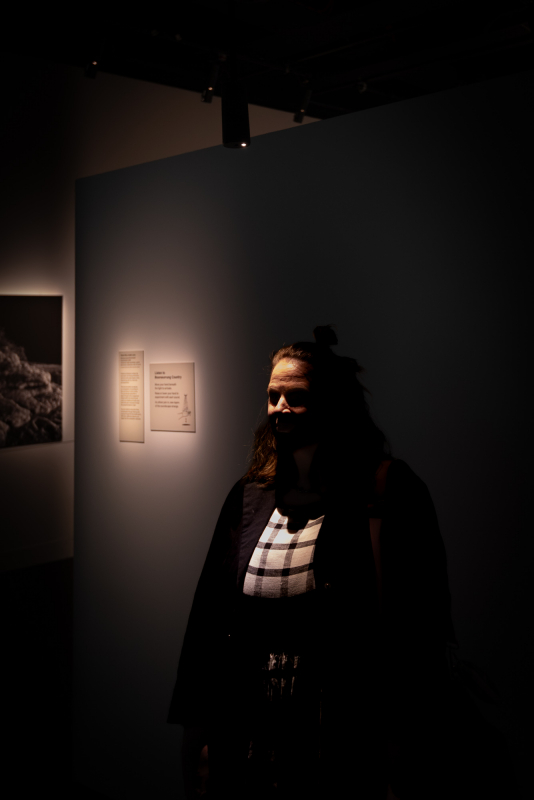
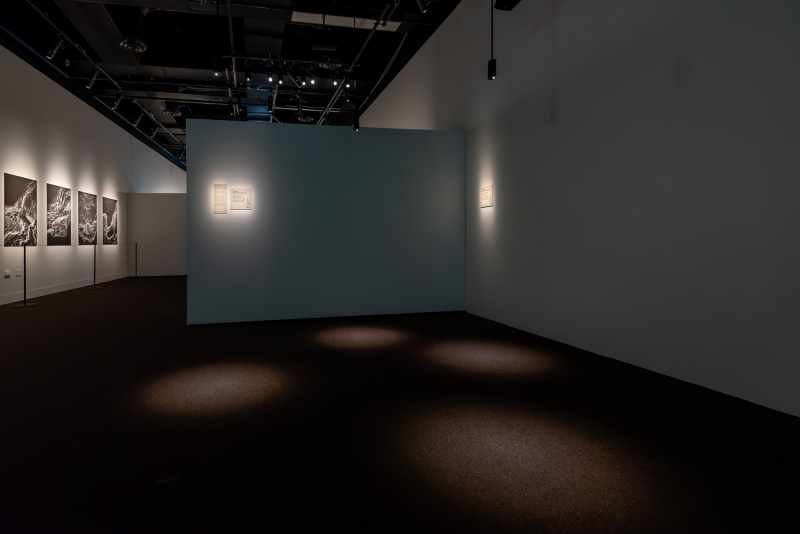
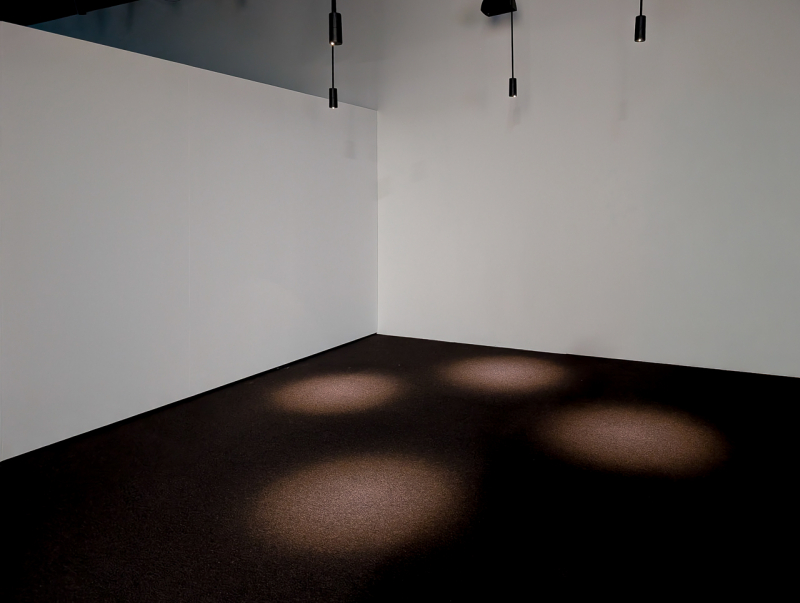
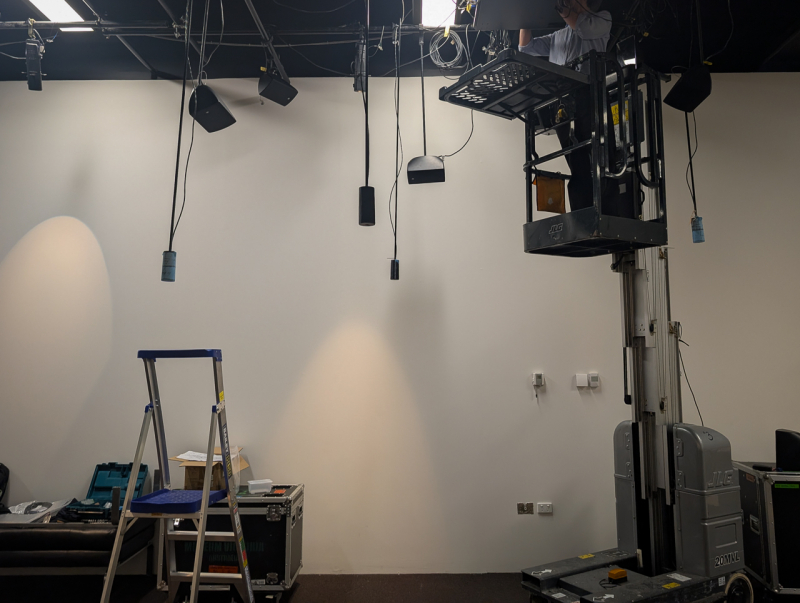
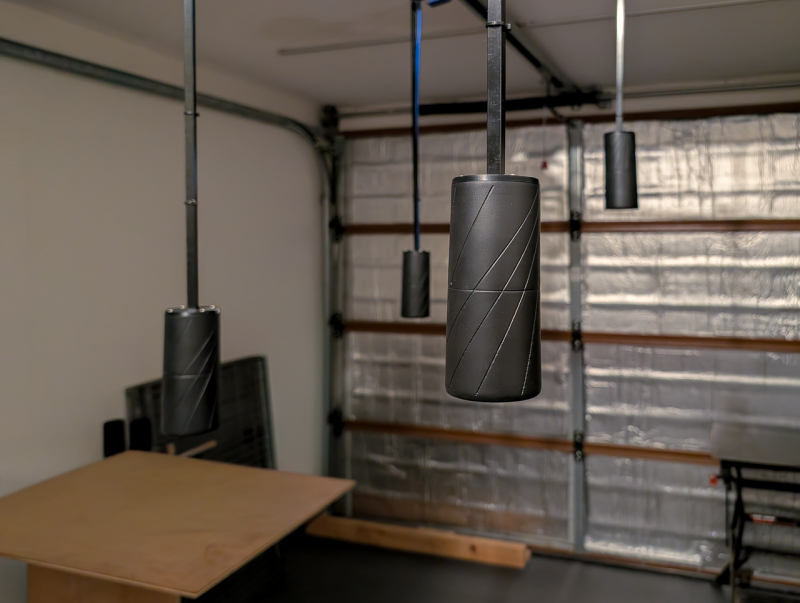
The interaction concept combines the symbology of hydrophones, illuminated downlights and one's presence as carriers, attraction points and listening posts for the sounds. Sited on an empty floor space, four circular cones of light suggests plausible zones of interaction. A backdrop of flowing water sounds invites one into the light. The presence of one's body or hand underneath each light gracefully modulates the spatial mix of sounds coming from the overhead speakers. The placement of these interactive zones encourages collaboration amongst visitors, while still allowing individual exploration. Distinct soundscapes flow and swell around the illuminated areas where visitors are, avoiding a cacophony of sounds through the mixing algorithms tuned for the project.
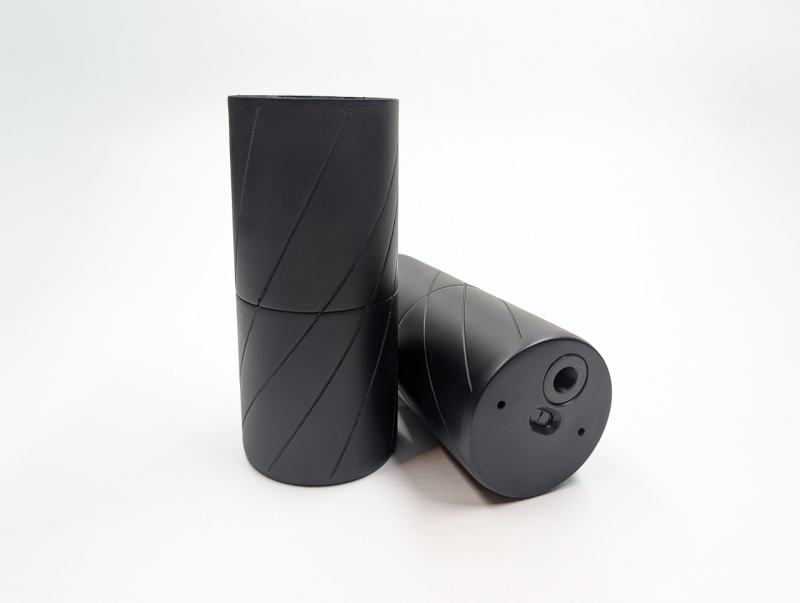
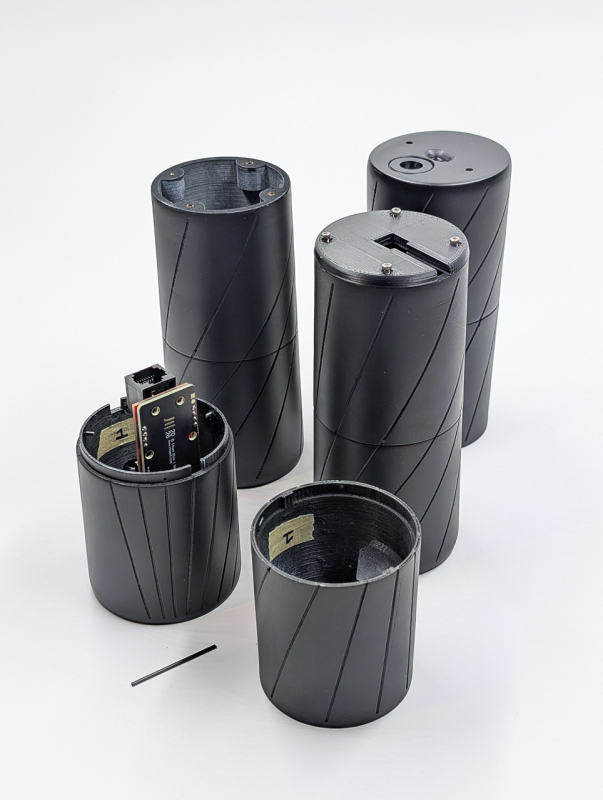
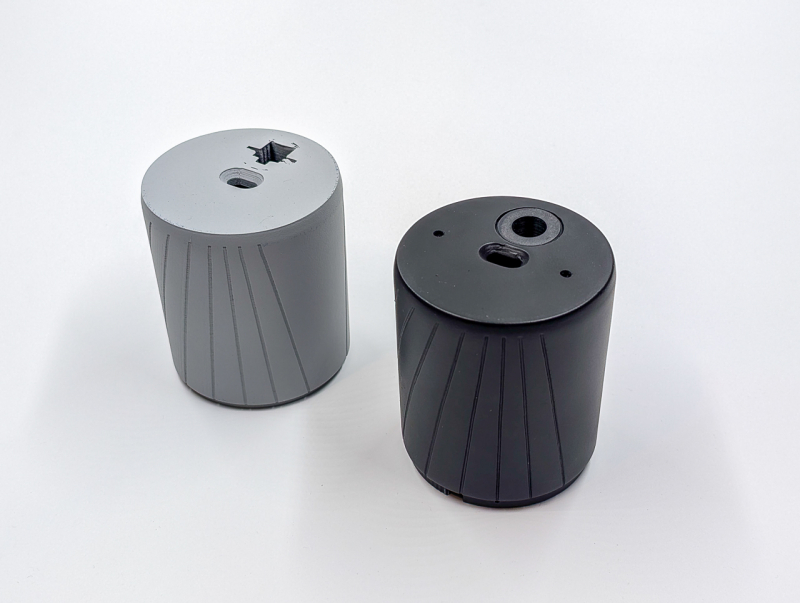
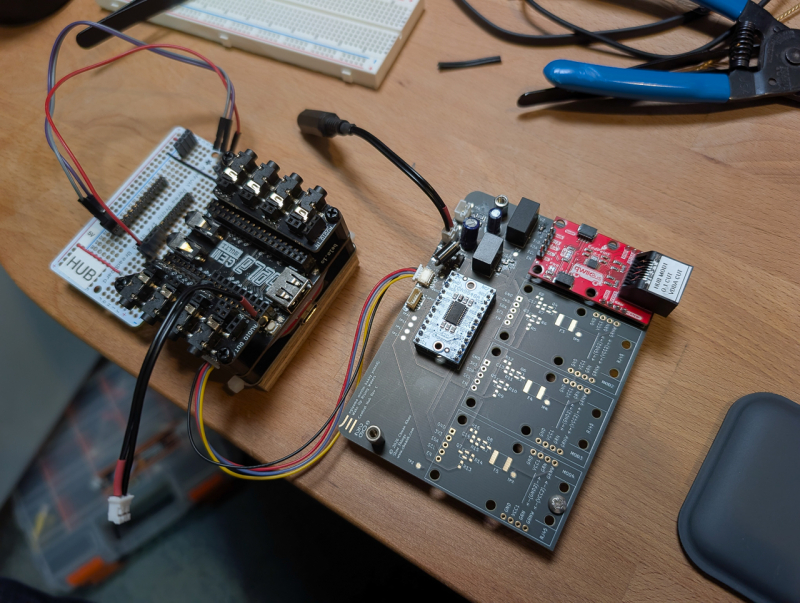
The installation features ruggedised time-of-flight (ToF) sensors fitted to custom electronics with redundancies, designed to withstand the daily rigours required of a state museum exhibition. These were manufactured on bespoke PCB designs and assembled in-house, fitted into a custom enclosure design, 3D printed and post-processed in-house. Complex hardware and software patches, common with this genre of interactive installation, was avoided. Instead, hardened embedded hardware was specified that ran optimised code onboard a control hub.
Bespoke digital twin software ('BES') was also designed and developed to provide 1:1 test points for spatial sound mixing, via a local MIDI interface. In this mode, the digital twin served as a MIDI instrument to drive Reaper DAW software for off-site testing. On-site, the digital twin also served as a visitor simulator and sensor readout dashboard (see video below), which came in handy to evaluate the interactions without the need for real human actors/testers. The visualisations also provided a sonic 'heatmap' of the installation, highlighting improvement areas to mitigate loud spots.
All sound recordings used in the installation are copyright Jordan Lacey.